29 October 2025
Landican Cemetery and Crematorium-Wirral
Practical guide to Landican Cemetery & Crematorium (Woodchurch): services, chapels, cremations, Book of Remembrance, opening hours, access and contact info.
? Are you planning a visit to Landican Cemetery and Crematorium or arranging a funeral there and need clear, friendly information on what to expect and how to proceed?

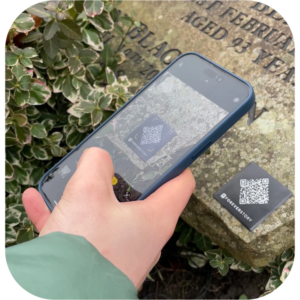

Overview of Landican Cemetery and Crematorium
You’ll find Landican Cemetery and Crematorium on Arrowe Park Road in Woodchurch, Wirral. It’s a large municipal cemetery with cremation facilities and a range of services designed to meet many kinds of bereavement needs, including traditional burials, cremations, and designated areas for particular faiths and natural burial.
This guide explains what’s on site, how to contact the cemetery, how to arrange a visit or service, and practical details to help you navigate arrangements confidently.
Quick reference: opening times and contact
You’ll want to know when and how you can get in touch. The site is open 24 hours a day, every day, while the office and the Book of Remembrance have specific hours.
| Item | Details |
|---|---|
| Cemetery opening times | Open 24 hours a day, 365 days a year |
| Cemetery office (reception) | By appointment only. Phone: 0151 666 3001 (Mon–Fri: 10:00–12:00 and 14:00–16:00). Closed on Bank Holidays |
| [email protected] (response may take up to 15 working days) | |
| Book of Remembrance opening hours | Monday to Sunday, 09:00–16:00 |
| Funeral times published online? | No — funeral times are not published on the council website |
Location and how to get there
If you’re planning travel, this section gives the address and local transport options so you can plan your journey.
Address:
- Arrowe Park Road, Woodchurch, CH49 5LW, United Kingdom
Getting there:
- By train: Bidston station is typically a 10–15 minute taxi ride; Upton station (Bidston to Wrexham line) is about a 10-minute taxi ride.
- By bus: Bus numbers 471 and 472 stop outside Landican Cemetery. Check Mersey Travel for the latest timetables.
You’ll want to allow extra time for traffic delays or parking when you visit for a funeral or to use the Book of Remembrance.
Services available on site
You can expect a comprehensive suite of services at Landican for funerals, remembrance, and graves. The cemetery is set up to serve a wide variety of needs and faith traditions.
- Three chapels where funeral services can be held.
- Cremation services as part of the crematorium facilities.
- Cemetery office to handle arrangements and enquiries (appointment required).
- Book of Remembrance room with daily viewing access and an online Book of Remembrance.
- Two gardens of remembrance managed to provide a peaceful setting.
- A range of grave types (detailed below) to suit differing preferences and needs.
If you need a specific service or have questions about availability, the cemetery office is the best place to get authoritative information.
Chapels and cremation facilities
You’ll find three chapels on-site where funerals can be held, and the crematorium serves the demand for cremation within the cemetery grounds.
- Chapels: You can hold funeral services in any of the three chapels; arrangement details and booking should be confirmed with the cemetery office.
- Crematorium: Built within the cemetery to meet increasing demand for cremation, the crematorium includes ceremonial and practical facilities.
Because the council does not publish funeral times on its website, you’ll need to contact the cemetery office or the funeral director handling the arrangements to confirm service times.
Book of Remembrance — viewing and online access
You can visit the Book of Remembrance room daily, or access the Book of Remembrance entries online if you prefer.
- In-person: The Book of Remembrance room is open every day from 09:00 to 16:00. When you visit, you’ll be able to view the inscribed entries for the corresponding day and view boutonniere plaques tied to entries.
- Online: There is also an online Book of Remembrance that lets you view entries remotely.
If you plan to bring a group, consider contacting the office ahead of time to confirm any access protocols you might need to follow.
Types of graves and interment options
You’ll see a variety of grave types at Landican to suit different cultural, religious, and environmental preferences. Below is a breakdown of common options and what they mean for you.
| Type of plot | What it means for you |
|---|---|
| Cremated remains graves | Plots intended for ashes; often smaller and can be used for single or multiple ashes depending on plot rules |
| New lawn graves | Modern lawn-style graves where headstones are usually placed on a small kerb or plaque to create a tidy, mowed lawn area |
| New traditional graves | Standard earth burials with conventional headstones and traditional layout |
| Muslim graves | Areas designated for Muslim burial practices; check with the cemetery office for any specific requirements |
| Natural burial graves | Plots designated for minimal-impact burials with eco-friendly constraints (e.g., no non-biodegradable materials) |
| Special garden for the burial of babies | A dedicated and tranquil area designed for the sensitive burial of infants and babies |
For specifics on plot sizes, inscriptions, memorial permissions, and long-term care, you should speak to the cemetery office. They will explain legal and practical requirements, including whether a burial right is being granted or transferred.
History and heritage of Landican
A little background can help you appreciate the site’s historical and commemorative importance.
- Opening: Landican Cemetery opened on 22 October 1934.
- Crematorium decision: Birkenhead Corporation included a crematorium in the new cemetery because cremation demand was growing at the time.
- Architecture: The crematorium chapel was designed as a free interpretation of Byzantine architecture and features mosaic panelling that represents Biblical scenes.
- War graves: The cemetery contains 128 Commonwealth service war graves from World War II and features a Cross of Sacrifice to acknowledge those who served.
You may find the architecture, mosaics, and war memorials of personal or historical interest during a visit.
Gardens of remembrance and wildlife
You’ll find two gardens of remembrance managed to provide a calm, respectful environment for visitors as well as a safe habitat for local wildlife.
- Purpose: The gardens provide reflective spaces for visitors and are maintained with wildlife-friendly practices in mind.
- Wildlife: Managed green areas and planting choices are designed to support birds, pollinators, and other small fauna that benefit from quiet green spaces.
When you visit, please be mindful of the plants and wildlife — these areas are intended to be restorative for both people and nature.
Military graves and the Cross of Sacrifice
If you’re visiting to pay respects to service personnel, Landican contains Commonwealth war graves from the Second World War.
- War graves: There are 128 Commonwealth service war graves from World War II within the cemetery grounds.
- Cross of Sacrifice: A Cross of Sacrifice stands in tribute to those who served. It’s a focal point often visited during commemorative dates.
You can use this site for remembrance or research. The Commonwealth War Graves Commission (CWGC) records may give you further details if you need them.
Accessibility and facilities
You should know about practical facilities and access needs before visiting. The cemetery provides several amenities, but a few require specific access arrangements.
- Toilets: There are toilets and accessible toilets available by the entrance and at the chapels.
- Radar key: Accessible toilets require a Radar key for access; bring your Radar key if you need a locked accessible facility.
- Mobility: Paths and surfaces vary across the cemetery. If you have specific mobility requirements, it’s a good idea to contact the cemetery office in advance so they can advise or assist.
- Reception access: You will need an appointment to speak with someone in the reception office; drop-ins are not guaranteed.
If you use mobility aids, plan your route around the site or ask staff about easier-to-access paths and car parking near chapels.
Visiting etiquette and what to expect
You’ll want to behave respectfully during visits to the cemetery. This section covers general etiquette and practical tips.
- Quiet and respectful conduct: Maintain a quieter presence out of respect for other visitors and services.
- Floral tributes: Follow any signage or instructions about placing flowers; some areas (like natural burial sites) may limit non-biodegradable materials.
- Dogs: Check local rules — some gravesites permit well-controlled dogs on leads, but other areas may restrict animals for dignity and hygiene reasons.
- Photography: Be sensitive about photographing funerals or other visitors. If you want to photograph memorials or architecture, be mindful of privacy and decorum.
- Litter and care: Use bins where provided or take items with you. Help keep the grounds tidy.
If you’re attending a funeral, allow extra time for parking and for the procession to form. If you’re visiting graves, bring a soft brush or cloth for cleaning plaques rather than harsh chemicals.
Planning a funeral or service at Landican
If you’re arranging a funeral, this section helps you understand the typical steps and who you should contact.
- Funeral director: Most people work with a funeral director who will coordinate with Landican for timings, chapel bookings, and cremation arrangements if needed.
- Contact the cemetery office: For formal permissions, paperwork, or to book a chapel you’ll need to liaise with the cemetery office by appointment.
- Confirming service times: Since the council does not publish funeral times online, ask your funeral director or the cemetery office directly for confirmed times and any arrival instructions.
- Documentation: You’ll typically need certified copies of death certificates and any relevant authorisations for burial or cremation. Your funeral director will usually advise and manage this.
Make a checklist with your funeral director and confirm who is responsible for the burial plot purchase, interment order, and any memorial permissions.
What to ask the cemetery office
When you make an appointment, having a list of questions ready will save you time and reduce stress. Here are suggested questions you might ask.
- Which chapels are available, and what are their capacities?
- Are there restrictions on memorial styles, headstone sizes, and inscriptions?
- What are the specific rules for natural burial plots and Muslim graves?
- How do I reserve or transfer burial rights?
- What is the process for arranging cremation and collecting ashes?
- What facilities are available for disabled visitors and which toilets require a Radar key?
- How long will email responses take, and is there someone I can call in urgent situations?
You’ll likely want to note the answers in writing and confirm any costs or formal requirements in a follow-up email.
Practical checklists
Below are two checklists you can use: one for attending a funeral and one for visiting a grave or the Book of Remembrance.
Funeral attendance checklist:
| Item | Action |
|---|---|
| Arrival time | Arrive 15–30 minutes early |
| Parking | Check nearest parking and allow extra walking time |
| Clothing | Wear appropriate, respectful attire |
| Flower arrangements | Confirm where to leave flowers and if florists should deliver to the crematorium |
| Mobility needs | Bring mobility aids and inform staff if assistance is needed |
| Directions | Confirm chapel number and route with funeral director or cemetery office |
Visiting the Book of Remembrance or a grave checklist:
| Item | Action |
|---|---|
| Book of Remembrance | Open 09:00–16:00 daily; consider calling ahead if visiting with a group |
| Photographs | Be considerate of other visitors |
| Accessible toilet | Bring Radar key if you need the accessible toilet |
| Tools for cleaning | Bring a soft brush and water for plaque cleaning (ask staff about permitted materials) |
| Silent reflection | Allow time and space for other visitors’ reflection |
Fees and permissions (how to get accurate and current details)
You’ll need up-to-date information about fees and permissions for graves, cremations, and memorials. Fees can change, so it’s best to contact the cemetery office for current charges.
- Fees: The cemetery office (or your funeral director) will give you the latest fees for burials, ashes interment, chapel hire, and memorial installation.
- Permissions: Burial rights, memorial approvals, and other permissions are administered by the cemetery office; ask what documentation you’ll need to supply.
- Transfers: If you’re transferring burial rights or making a memorial, find out the formal steps and any required forms.
If you prefer, ask the cemetery office to email you a price list or information pack so you have official details in writing.
Researching family graves and records
If you’re tracing family history or locating a grave, Landican holds records that can help you find a plot or inscription.
- Records: Cemetery records will typically show plot locations, interment dates, and any grave registrations. Contact the cemetery office to request assistance.
- Book of Remembrance: The Book of Remembrance may list names and dates; it’s available in-person and online for convenience.
- War graves information: For details about the Commonwealth war graves, you can also consult the Commonwealth War Graves Commission records.
When you contact the cemetery, give as much information as possible (full name, birth/death years, any known plot location) to help staff locate records efficiently.
Rules and regulations you should be aware of
Municipal cemeteries follow rules to ensure safety and dignity. You’ll need to comply with local regulations when arranging burials, placing memorials, or maintaining graves.
- Memorial approvals: Many councils require written approval before installing headstones or plaques.
- Planting and decorations: Some sections (especially natural burial areas) restrict types of planting and materials used for decorations.
- Grave maintenance: The council maintains some parts of the cemetery (such as lawns), while families are often responsible for maintaining headstones and adjacent planting. Confirm responsibilities with the office.
- Conduct of services: Funeral service timing, procession routing, and parking are typically coordinated with cemetery staff and your funeral director.
Contact the cemetery office for the full list of rules that apply to the type of plot or service you are arranging.
If you need additional support or have special requests
You’re likely to have questions or need help with specific arrangements, such as cultural or faith-based requirements, ceremonies for babies, or special accessibility needs.
- Faith-based requests: The cemetery has Muslim graves and options for different faiths; check with the office about traditions and any logistical requirements.
- Infant and baby burial: There is a special garden for the burial of babies, designed to be sensitive and quiet for grieving families.
- Accessibility: If you require special assistance on the day of a funeral or visit, tell the cemetery office in advance so they can arrange help where possible.
The staff aim to support families respectfully. If you have urgent needs, try calling the reception during office hours or speak to your funeral director.
Frequently asked questions (FAQs)
You’ll likely have a few common questions. These are general answers to typical queries.
Q: Are funerals and cremation services open to the public?
A: Funerals are usually private events but can be attended by invited guests. Public memorials at graves or remembrance services may be open; check the event specifics with the organisers.
Q: Can I see a loved one’s entry in the Book of Remembrance online?
A: Yes — Landican has an online Book of Remembrance. You can also view entries in person at the Book of Remembrance room (09:00–16:00 daily).
Q: How long will the cemetery take to respond to an email?
A: The cemetery states it may take up to 15 working days to respond to emails. For urgent matters, call during office hours.
Q: Are accessible toilets available?
A: Yes — there are accessible toilets at the entrance and at the chapels, but they require a Radar key for access.

Useful contacts and next steps
If you’re arranging something or planning a visit, these are the practical next steps you should take.
- Call the cemetery office to make an appointment: 0151 666 3001 (Mon–Fri, 10:00–12:00 and 14:00–16:00).
- Email for non-urgent enquiries: [email protected] (allow up to 15 working days).
- If you’re arranging a funeral, coordinate with your funeral director who will deal with most of the cemetery liaison and paperwork.
Before you finish your planning session, ask for written confirmation of bookings and any required documents or forms. Having everything in writing helps avoid misunderstandings during a sensitive time.
Final thoughts
You’ll find Landican Cemetery and Crematorium provides a wide range of facilities and services, from traditional graves and cremations to special gardens and wartime memorials. Contacting the cemetery office early and working with a funeral director will make arrangements smoother, and visiting the Book of Remembrance (in person or online) can be a meaningful part of remembering someone you’ve lost.
If you have any particular questions that haven’t been covered here, note them down and bring them to your appointment or your funeral director — the staff will help guide you through the next steps so you can make the choices that best suit you and your family.

📅 Last updated: