29 October 2025
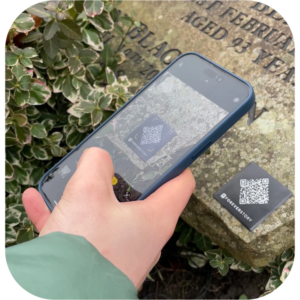
Landican Crematorium Centre Chapel and ForeverStory: QR Codes That Preserve Legacies
Guide to the North, Centre and South chapels at Landican Cemetery & Crematorium — capacities, facilities, accessibility, webcasting and booking info. Book now!!
Are you arranging a funeral or memorial service at Landican Cemetery and Crematorium and need clear, practical information about the chapels and facilities?


Chapels at Landican Cemetery and Crematorium — an overview
You’ll find three chapels at Landican Cemetery and Crematorium designed to accommodate a range of service sizes and preferences. Each chapel provides a respectful, purpose-built environment for memorial services and cremations, with facilities that support music, broadcasting, accessibility, and easy arrival.
The three chapels: North, Centre, South
You can choose from the North, Centre, or South chapel depending on the size of your gathering and any specific accessibility or technological needs. Each chapel has seating and standing room options, and staff can advise on which space best suits your planned service.
Key features shared across the chapels
You’ll appreciate that all chapels provide a digital music system, options for webcasting, level access, accessible toilets, an induction loop system, and free parking nearby. These shared features are intended to make services as comfortable and inclusive as possible for your guests.
Quick facts table — capacities and core facilities
You can use this table to compare the chapels at a glance and decide which one fits your needs.
| Chapel | Seating capacity | Standing room | Music system | Webcast available | Accessibility |
|---|---|---|---|---|---|
| North | 81 | Yes | Digital music system (48 hours’ notice) | Yes (additional charge) | Level access, accessible toilet, loop system |
| Centre | 102 | Yes | Digital music system (48 hours’ notice) | Yes (additional charge) | Level access, accessible toilet, loop system |
| South | 81 | Yes | Digital music system (48 hours’ notice) | Yes (additional charge) | Level access, accessible toilet, loop system |
Booking and initial steps
You’ll want to start arrangements as soon as you can so you have the best choice of date and time. Contact the council office or funeral director to check availability, ask about fees, and confirm any specific requirements you may have.
Who to contact and how
You can contact the crematorium through Wirral Council’s burial and cremation services or via your chosen funeral director, who will usually handle most of the booking for you. The council’s bereavement services team can answer direct questions about chapel availability, technical requirements, and accessibility.
Information to have ready when you book
You should be prepared to provide the proposed date and time, an estimate of guest numbers, whether you want a webcast, details about music selections, and any mobility or accessibility needs. Having these details ready helps the team check that the chapel and services meet your needs and allows them to advise on timings and additional charges quickly.
Detailed descriptions of each chapel
You’ll find differences in layout and capacity across the chapels that may influence your choice, depending on the size of your service and how you plan to position guests and musicians.
North Chapel
You can seat up to 81 people in the North chapel, and standing room is available if you expect a shortfall in seated spaces. The chapel has level access and an induction loop system, making it suitable for guests with mobility or hearing needs.
Centre Chapel
You’ll find the Centre chapel is the largest, seating up to 102 people, which makes it a common choice for larger services. It offers the same accessibility features and technical systems as the other chapels, so larger congregations can still benefit from webcasting and music playback.
South Chapel
You can use the South chapel for medium-sized services, with seating for 81 people and standing room for additional mourners. Like the others, it includes level access, an accessible toilet, and support for music and webcasts.
Music, hymns, and performances
You’ll be able to use a digital music system in each chapel; make sure you give the required notice for the selections you want played. The system can play commercially available music and many popular hymns, but you’ll need to provide details in advance.
Notice period and file types
You should provide at least 48 hours’ notice for music requested via the chapel’s digital system to ensure the staff can load and test tracks. If you plan live music or small ensembles, you’ll need to agree arrangements with staff beforehand.
Live music and the organ
You can arrange for small musical ensembles or choirs to perform in the chapels, and the organ can accommodate limited live playing by prior arrangement. If you plan live performance, check acoustics, arrival times for musicians, and any setup needs with the crematorium team.
Webcasts and streaming services
You can have services streamed online so distant friends and relatives can attend virtually. Webcasting is offered as a secure, simultaneous livestream, but an additional charge applies.
How webcasts work
You’ll arrange the webcast through the crematorium’s service team; they will set up secure streaming for the duration of the service so remote guests can view in real time. The service typically includes an access link that you can share with family members and friends.
Privacy and access controls
You should be aware that webcasts are usually password-protected or use a secure link, giving you control over who can watch the service. Ask how long recordings are retained, and whether downloads are permitted if you would like a copy for family archives.


Accessibility and inclusivity
You’ll find the chapels are designed to be as accessible as possible, with level access, accessible toilets, and induction loop systems. These features make it easier for guests with mobility or hearing impairments to participate comfortably.
Mobility access and parking
You can expect level entry into the chapels so that wheelchairs and mobility aids are accommodated, and there is free parking available for mourners. If guests require close parking or special assistance on arrival, let the team know ahead of time so arrangements can be made.
Hearing support
You’ll be able to use an induction loop system within the chapels to help guests who use hearing aids. This system reduces background noise and amplifies the spoken word, making services easier to follow for those with hearing devices.
Practical arrangements on the day
You’ll want a clear plan for arrival times, where mourners should gather, and how vehicles will be received to keep the service running smoothly. Staff and funeral directors typically coordinate arrivals, processions, and the timing of the service.
Arrival and reception area
You can expect staff to direct vehicles and point guests to parking and the chapel entrance so everyone arrives at the right place. If you have floral tributes, personal items, or photos, ask where these should be placed on arrival.
Timings and punctuality
You should ask the crematorium for the recommended arrival time, usually at least 20–30 minutes before the service start to allow for last-minute checks and guest seating. Punctuality helps ensure webcasts start on time and that musicians and officiants are ready.
Order of service and content
You’ll want to prepare an order of service that outlines readings, music, speakers, and any rituals you plan to include. The crematorium team can often guide you on timing and how the service will flow within the chapel’s layout.
Printed materials and programmes
You can have printed orders of service for guests or provide a digital version for those attending remotely, particularly if a webcast is arranged. If printed programmes are used, set them out in a place where guests can pick them up as they enter.
Readings, eulogies, and religious rites
You’ll be able to include readings and eulogies within the service; coordinate the roster of readers with your officiant so transitions are smooth. If you require specific religious rites or clergy participation, confirm their needs and arrival times ahead of the service.
Floral tributes and personal items
You’ll typically be able to display floral tributes and photos in the chapels, but there may be guidelines on placement for safety and access reasons. Check with staff about where tributes can be placed and whether there are restrictions on types of items or their positioning.
Disposal of floral tributes
You should clarify what happens to flowers after the service—some families prefer to arrange collection or donation, while others allow the crematorium to handle removal. Confirm the crematorium’s policy on timescales for removal if you plan to collect items later.
Coffin, casket, and viewing arrangements
You’ll be able to have a coffin or casket present in the chapel during the service; staff will place it appropriately so guests can pay respects. If you wish to have a formal viewing before the service, discuss availability and protocol with bereavement staff.
Security and handling
You should be comfortable asking about how the crematorium handles the coffin before and after the service, including any security and dignity measures in place. Funeral directors typically coordinate the transfer and will confirm timings with the crematorium.
After the service — cemetery and scattering options
You’ll have options for graveside services, interment of ashes, or scattering in designated areas depending on your wishes and the cemetery’s policies. The crematorium and cemetery teams can advise on available plots, memorial benches, and procedures for interment or scattering.
Burial plots and ashes interment
You should check availability and rules for interring ashes in family plots or dedicated ashes plots before the service day. If you plan a separate graveside service, coordinate timings so mourners can attend both the chapel service and any subsequent cemetery ceremony.
Memorials and plaques
You’ll be able to arrange for memorials or plaques that comply with the cemetery’s size and material guidelines; the council can provide specifications and application procedures. If you are considering a headstone, bench, or plaque, start early so approvals and ordering timelines are managed.

Costs and fees
You’ll likely face charges for chapel hire, webcasting, and any additional services such as organists or extended staff time. Fees can vary and are often set by the local council, so ask for a detailed breakdown when you book.
What to ask about fees
You should request a written quote that includes chapel hire, webcast costs, staffing, and any equipment or cleaning charges. Clarify accepted payment methods, deposit requirements, and cancellation or rescheduling policies.
Etiquette and guidance for mourners
You’ll want to prepare guests about appropriate arrival times, dress code, and behavior during the service to maintain a respectful atmosphere. You can gently advise attendees about mobile phone use, photography rules, and where to place flowers and personal items.
Mobile phones and photography
You should ask whether photography is permitted inside the chapel and whether the funeral director or officiant plans to coordinate any photos. Encourage guests to silence phones and minimize movement during key moments to reduce disruption for others and for webcast viewers.
Comfort and support for guests
You’ll find it helpful to provide a point of contact for guests who need assistance during the service, such as where to find seating, toilets, or staff members. If children are attending, consider a quiet area or guidance on how to manage their involvement in the service.
Frequently asked questions
You’ll probably have questions about webcasts, waiting times, accessibility, and how to arrange music or clergy. The following short Q&A covers common concerns to help you prepare.
Q: How much notice is required for music?
You should provide at least 48 hours’ notice for music selections to be loaded onto the chapel’s digital music system. For live music or organ use, arrange this earlier to confirm arrival and rehearsal times.
Q: Can remote guests access the webcast after the service?
You can ask the crematorium whether webcasts are recorded and how long recordings are retained; policies vary, and some services allow short-term access for family viewing. If you want a permanent copy, discuss options and any associated charges.
Q: Are the chapels suitable for wheelchairs?
You can be reassured the chapels offer level access and accessible toilets; however, you should notify the crematorium in advance about any specific mobility needs. This helps them reserve suitable parking and ensure assistance is available on arrival.
Practical checklist for the funeral day
You’ll find this checklist useful for ensuring nothing important is missed during planning and on the day itself.
| Task | Notes |
|---|---|
| Book chapel and confirm date/time | Verify chapel choice (North/Centre/South) and receive written confirmation |
| Confirm guest numbers | Accurate numbers help with seating and load-in for musicians |
| Arrange music and provide 48 hours’ notice | Decide songs, hymns, or live music and communicate formats |
| Book webcast if required | Ask about access links, passwords, and recording retention |
| Notify about accessibility needs | Arrange reserved parking or assistance for guests with mobility issues |
| Prepare order of service | Provide copies or a digital version for remote viewers |
| Arrange floral placement | Confirm where flowers can be displayed and collection options |
| Coordinate coffin arrival and procession | Confirm timings with funeral director and crematorium staff |
| Confirm fees and payment details | Obtain a full breakdown of charges and accepted payment methods |
Tips for making the service personal
You’ll likely want to include personal touches that reflect the life of the person you’re honoring. Personalised music, bespoke readings, photo montages, or a brief eulogy can make the service meaningful for attendees.
Using multimedia and tributes
You can include a slideshow or short video if you arrange this with the crematorium and ensure formats are compatible with their playback systems. Check technical specifications and test files in advance to avoid last-minute issues.
Meaningful rituals and involvement
You should consider ways to involve family members and friends, such as inviting short shared memories, having a moment of reflection, or lighting a candle. Discuss the structure with your officiant so transitions are gentle and respectful.
Aftercare and support
You’ll find that Bereavement Support groups, counselling services, and local charities can help you and your family after the service. Make sure to ask the funerals team for recommendations to help with grief support and practical next steps.
Accessing bereavement resources
You can ask the council or funeral director for local bereavement support contacts and leaflets that describe available services. Many organisations offer group support, one-to-one counselling, and online resources you can use at your own pace.
Administrative steps after the funeral
You should ensure that formal documents, wills, and practical affairs are addressed in the weeks following the funeral; solicitors or estate advisors can guide you through probate and other legal processes. The council may also help with arranging memorial inscriptions or interment of ashes.
Location and getting there
You’ll want clear directions and travel options so guests arrive on time and without stress. Confirm parking arrangements and any instructions for coach drop-offs or taxi access.
Public transport and driving directions
You can check local maps and public transport timetables to provide guests with travel options and approximate journey times. If many guests are coming from out of town, consider sending a map or parking guidance in advance.
Accessibility of the site
You should reassure guests that the chapels are accessible with level access and toilets, and that staff can assist with any mobility needs on arrival. If you expect guests with specific requirements, contact the crematorium beforehand to request additional help.
Final considerations and planning timeline
You’ll feel more confident if you spread tasks across a timeline and check items off as they’re completed. Start with the basics—booking the chapel and funeral director—then confirm details like music, webcasts, and accessibility as the date approaches.
Suggested scheduling milestones
You can use a simple timeline: book chapels and director as early as possible; confirm music and readings two weeks prior; finalize guest list and webcasts one week prior; and reconfirm all arrangements 48–72 hours before the service. This staged approach reduces last-minute stress.
Reconfirmations and contingency plans
You should reconfirm all arrangements and contact details with both the crematorium and your funeral director a few days before the service. Consider contingency plans for travel disruption, additional guests, or weather-related issues if you plan a graveside element.
Contact details and next steps
You’ll want to keep contact details for the crematorium and your funeral director easily accessible during planning. If you need help with technical arrangements, accessibility, or special requests, contact the crematorium’s bereavement services team early in the process.
How staff can help on the day
You can expect crematorium staff to guide arrivals, support technical needs for music and webcasts, and ensure the service environment is prepared. Don’t hesitate to ask them for any assistance that will make the day run more smoothly for your guests.
Closing thoughts
You’ll find the chapels at Landican Cemetery and Crematorium provide practical, accessible spaces for meaningful farewells, alongside modern facilities such as music systems and webcasting. By preparing in advance, communicating needs clearly, and confirming logistics, you’ll help create a respectful, personal service that honors the person you’re remembering.

📅 Last updated: