29 October 2025
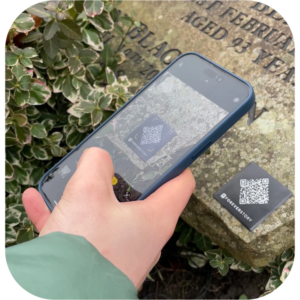
Bebington Cemetery Meets ForeverStory: QR Codes That Preserve Legacies
Explore Bebington Cemetery: Victorian graves, war memorials, restored chapel and practical visitor info for researchers, family history and quiet reflection. Now.
Have you ever wanted to walk through a place where local history, remembrance and community memory meet?

This image is property of www.wirral.gov.uk.

BEBINGTON CEMETERY
Bebington Cemetery stands as a place of quiet reflection and local significance on the Wirral Peninsula. You’ll find its rows of graves, war memorials and a restored chapel that speaks to the area’s religious and social history. This guide gives you practical details for visiting, historic context, how to manage burial-related matters, and how to research graves and family connections.
Quick facts
You’ll want a concise snapshot before you go. The table below brings key facts together so you can plan a visit or make an enquiry efficiently.
| Item | Detail |
|---|---|
| Name | Bebington Cemetery |
| Address | Town Lane, Bebington, CH63 5JF, United Kingdom |
| Opening date | June 1868 |
| Graves | Over 2,000 graves (including Commonwealth War Graves) |
| New graves | No new graves available; family graves may be re-opened |
| Chapels | Originally three (Church of England chapel remains and is now Romanian Orthodox dedicated to St Paisie) |
| Parking | Free parking — park on the left-hand side of the main drive |
| Opening hours | Open 24 hours a day, 365 days a year |
| Nearest train station | Bebington (approximately 1 mile) |
| Public transport | Several bus routes along Old Chester Road and Kings Road |
| Council contact telephone | 0151 666 3001 (Mon–Fri 10:00–12:00 and 14:00–16:00) |
| [email protected] | |
| Email response time | Up to 15 working days |
History of Bebington Cemetery
You’ll find that Bebington Cemetery tells multiple local stories: from Victorian-era public health responses to the impact of industrialisation and migration, to military remembrance and later immigrant community activity.
Why the cemetery was created
The Bebington Cemetery opened in June 1868 at a cost of £17,900. You’ll understand that its creation was driven by a growing population in the area — pressures brought on by the Industrial Revolution and increased migration, including arrivals due to the Irish potato famine. The cemetery provided much-needed burial space in response to rapid urban growth.
Original layout and chapels
When it first opened, Bebington Cemetery had three chapels, each intended to serve different congregations: Church of England, Roman Catholic and Non-Conformist. Today, only the Church of England chapel remains intact. That chapel has been re-opened by the Romanian Orthodox community and dedicated to St Paisie (Paisius Velichkovsky, 1722–1794), a notable Orthodox monastic figure whose writings influenced Eastern Christian spirituality. If you visit the chapel, you’ll see an example of how the site has adapted to changing religious communities over time.
Military connections and wartime memorials
The Bebington Cemetery contains Commonwealth War Graves and a prominent war memorial cross, along with a roll of honour commemorating those who lost their lives in World War I. If you’re interested in military history, you’ll find these features useful for both reflection and research. The presence of these graves means the cemetery is maintained in line with broader remembrance practices, and you’ll often see marked headstones for service personnel.
Notable local connections
Bebington Cemetery records include graves and memorials that connect to larger historical events. The cemetery is known to contain survivors and persons linked to maritime and military incidents including the Titanic and HMS Thetis, as well as people associated with the Charge of the Light Brigade. When you visit, you’ll likely find names and epitaphs that open up wider stories about migration, military service and maritime life connected to the Wirral and Merseyside area.
Visiting Bebington Cemetery — practical information
You’ll want to know what to expect when you arrive. The cemetery is open day and night, with free parking and relatively easy access via public transport, but there are some practicalities to note.
Opening hours and public access
The cemetery is open 24 hours a day, 365 days a year. Because access is continuous, you can plan your visit at times that suit you — early morning, late afternoon or at night for quiet reflection. Be mindful of local rules about behaviour and memorial care when visiting outside daylight hours.
Parking and entry
Free parking is available within the cemetery. You should park on the left-hand side of the main drive, which is designated for visitors. The layout is straightforward: follow the main drive, and you’ll find spaces and pedestrian paths to graves and memorials.
Getting there by public transport
If you’re travelling without a car, you’ll find public transport options nearby.
| Mode | Detail |
|---|---|
| Train | Bebington station is approximately 1 mile from the cemetery. That’s roughly a 15–25 minute walk depending on your pace. |
| Bus | Several bus routes run along Old Chester Road and Kings Road near the cemetery. For precise route numbers and times check the Mersey Travel website or local bus operators. |
| Walking & cycling | If you live locally, walking or cycling can be pleasant, and there are pedestrian routes from nearby residential areas. |
Accessibility
Paths in older cemeteries can be uneven, and ground surfaces may be soft after rain. If you have mobility needs, you should take care: bring appropriate footwear, and consider visiting during daylight. If you require specific assistance or need to arrange a vehicle to access a particular area for a funeral or ceremony, contact the council office ahead of time.
Contacting the council and making enquiries
You’ll need to know how to make official enquiries about burial space, records, or funeral arrangements. The local council manages operational matters and can provide guidance.
How to contact the cemetery office
- Telephone: 0151 666 3001 (Monday to Friday, 10:00–12:00 and 14:00–16:00). The line is closed on Bank Holidays.
- Email: [email protected]. Be aware that the council may take up to 15 working days to respond to email enquiries, so contact them early if you have time-sensitive needs.
You should note that the council does not publish funeral times on its website. If you need that information, you’ll normally need to contact the funeral director organising the service.
Typical enquiries the council can help with
You can ask the council about:
- Permissions for re-opening family graves (eligibility, process, timescales).
- Burial registers and grave location searches.
- Memorial and headstone regulations and approvals.
- Arrangements for commemorative services or maintenance requests.
- Practical questions about parking, access for ceremonies, and specific site details.
If you need documents or records, you may be asked to provide proof of identity and the nature of your relationship to the deceased when making requests.
Burial options and regulations
If you’re considering burial options at Bebington Cemetery, you’ll need to understand what is and isn’t available, together with the process for reopening family graves.
No new graves available
You should be aware that there are no new graves available at Bebington Cemetery. This means you cannot purchase a new burial plot at the site. If you or your family are looking for an available plot, the council will advise alternative cemeteries or crematorium facilities in the area.
Re-opening family graves
Family graves can be re-opened for additional interments. If you intend to re-open a family grave, these are the usual considerations you should expect:
- Evidence of entitlement: You may need to show that you have the legal right to arrange a burial in that family grave (e.g., deed of grant, inscription on the grave, or proof of family relationship).
- Application process: Contact the council to request the grave re-opening; they will advise availability and any paperwork required.
- Fees and charges: Fees apply for re-opening graves, interment, and any specialist work. You should request a current fee schedule from the cemetery office as charges can change.
- Timescale: The council will provide available dates and timing. You should book well in advance, particularly if you require a specific funeral date.
- Safety and conditions: The council may inspect the grave to ensure it can be safely re-opened and that any previous interments are correctly recorded.
If you’re uncertain about entitlement or legal aspects, the council can guide you on documentation you’ll need to provide.
Memorials, headstones and maintenance
You’ll want to place and maintain any memorial in line with cemetery regulations. Typical points to consider:
- Approval: You must have council approval before installing a new headstone or memorial or altering an existing one.
- Design standards: There are usually rules about size, materials, and inscriptions; you’ll need to submit a specification to the council.
- Safety inspections: Memorials may be inspected for safety; if a headstone is unsafe the council can instruct remedial action.
- Maintenance responsibilities: Unless the council has taken responsibility, maintenance of headstones and individual plots typically remains with the family or plot holder.
Always contact the cemetery office before commissioning any memorial work so you don’t face unnecessary expense or non-compliance.

This image is property of www.wirral.gov.uk.

Researching graves and family history
If you want to trace ancestors or locate specific graves, Bebington Cemetery and local resources can help. You’ll likely need patience and a few specific approaches to find what you’re looking for.
Where to start
- Contact the cemetery office: Ask for burial registers or a grave location search. The council holds records of interments and may provide copies or information on where a person is buried.
- Local archives and libraries: The Wirral Archives Service and local libraries can hold burial registers, parish records and historical maps that help pinpoint graves.
- Online resources: National and local genealogy websites may hold transcriptions and indexes of cemetery records.
- Commonwealth War Graves Commission: For those who served in the military, the CWGC database provides names and grave references for service personnel. If you’re researching war graves, check the CWGC site for official records.
Requesting records and searches
When you contact the council for record searches:
- Provide full names, approximate dates of death and any other identifying details.
- Be prepared to pay small administrative fees for searches or certified copies of registers.
- Allow time: record searches can take several days or weeks depending on workload and complexity.
Visiting and confirming grave locations
If you receive a grave reference from the council, take a printed copy or screenshot with you when you visit. The cemetery grid or map system will help you find the correct section. If you’re unsure on arrival, staff or local volunteers can often point you in the right direction.
Commonwealth War Graves and memorials
You’ll notice the military presence within the cemetery through marked service headstones and memorial features. These graves carry formal commemorative significance and are maintained with respect.
What to expect with war graves
- Identified graves with standard headstones or markers in Commonwealth War Graves Commission (CWGC) style.
- A war memorial cross and a roll of honour dedicated to local service personnel who died in World War I.
- Ongoing upkeep and formal commemoration on national remembrance days.
If you’re researching or visiting the graves of service members, consult the CWGC database for names, regiments and plot details. That resource will often give you the authoritative reference you need.
Notable burials and connections
The cemetery’s records and memorials link you to a number of notable historical events and time periods.
Maritime and military links you should know
- Titanic connections: The cemetery includes people associated with the Titanic story. Whether they were survivors, relatives, or persons connected to the aftermath, these graves often attract interest from maritime historians and family researchers.
- HMS Thetis: The HMS Thetis was a submarine involved in a tragic incident in 1939; the cemetery contains connections to survivors or those affected by that event.
- Charge of the Light Brigade: There are burials or memorials associated with veterans connected to the Charge of the Light Brigade, linking the site to 19th-century military history.
If you’re researching these specific connections, gather precise names, service records or family details before contacting the cemetery office, archives or relevant historical societies.
Etiquette, behaviour and commemorative practice
When you visit Bebington Cemetery you’re stepping into a place of remembrance for many families. Your conduct helps preserve the dignity of the site.
General etiquette
- Be respectful and quiet: speak softly and avoid disruptive behaviour.
- Observe memorial areas: step carefully around graves and avoid standing on headstones.
- Flowers and tributes: place them respectfully; if you’re removing old flowers, do so with sensitivity.
- Photography: you can usually take photographs for personal use, but be mindful of privacy and the wishes of others at funerals or private visits. For any commercial photography or events, contact the council for permission.
Visiting war graves and memorials
- Keep decorum: war graves are often visited by veterans, families and official groups, so maintain respectful silence or low-volume conversations near these areas.
- Wreaths and tributes: if you place a wreath, consider recording a brief note with the cemetery office if it’s part of a formal commemoration.
Seasonal care
- Winter: pathways can be muddy or frosty — wear sturdy footwear and take care on slopes.
- Spring and summer: graves may be more accessible, but remember that volunteers and families may be working on maintenance — be courteous and avoid disturbing work areas.
Volunteering, community groups and preservation
If you care about local heritage, you can look into ways to get involved with preservation and community remembrance.
Ways you can help
- Join or form a friends-of-the-cemetery group: community volunteers often help with clean-up days, transcriptions and local history projects.
- Participate in remembrance events: local services on Remembrance Sunday or other anniversaries often need volunteers.
- Record and share history: photograph, transcribe or document monuments and inscriptions (with permission where required), contributing to public records or online family history resources.
Contact the council or local history groups to find out about organised opportunities or to propose a project.
Practical steps for arranging a funeral or interment
If you’re responsible for arranging a burial at Bebington Cemetery, follow these practical steps to keep things smooth.
Step-by-step checklist
- Contact the cemetery office early to confirm whether re-opening a family grave is possible and to check availability.
- Provide necessary documentation proving your entitlement to the grave (grant of rights, family relationship evidence, etc.).
- Book a date and time with the cemetery and your chosen funeral director. Remember the council does not publish funeral times; coordinate with the funeral director.
- Confirm any fees for interment, grave re-opening and administrative charges. Ask for a written quote or fee schedule.
- Arrange any memorial or headstone requirements in advance and submit specifications for council approval.
- Check accessibility and parking arrangements for mourners and vehicles on the day.
- After the interment, make arrangements for ongoing maintenance or responsibilities for the grave plot.
Counselling and support
Arranging a funeral is emotionally demanding. If you would like support, contact local bereavement services, your GP or community support organisations. The council may provide practical advice but won’t offer emotional counselling directly.
Frequently asked questions (FAQ)
You’ll likely have several practical questions. Here are answers to common queries.
Q: Can I buy a new plot at Bebington Cemetery?
A: No. There are no new graves available. Family graves can be re-opened — contact the council for eligibility and process.
Q: How do I find a specific grave?
A: Request a grave search from the cemetery office with full details of the deceased, and bring the grave reference you receive when you visit.
Q: What are the chapel arrangements?
A: Only the Church of England chapel survived; it has been re-opened by the Romanian Orthodox community and is dedicated to St Paisie.
Q: Can I place a memorial or headstone?
A: Yes, but you must obtain council approval first. Contact the cemetery office for regulations and application procedures.
Q: Are there military graves, and can I visit them?
A: Yes, there are Commonwealth War Graves and a war memorial cross. You may visit respectfully at any time.
Q: How long will an email enquiry take to be answered?
A: The council may take up to 15 working days to respond to email enquiries. If your situation is urgent, consider calling during office hours.
Further resources and useful contacts
You’ll find that combining council records with national databases will help you most when researching or managing memorials.
- Cemetery office (Wirral Council): 0151 666 3001 (Mon–Fri 10:00–12:00, 14:00–16:00)
- Email: [email protected] (allow up to 15 working days for a reply)
- Merseytravel website: for up-to-date bus routes and timetables serving Old Chester Road and Kings Road
- Commonwealth War Graves Commission (CWGC): for service personnel records and war grave details
- Wirral Archives Service and local libraries: for historic registers, maps and parish records
Final notes and respectful considerations
When you visit Bebington Cemetery, you’ll be stepping into a place where local lives, wartime sacrifice and social changes over more than 150 years are remembered. Whether your purpose is to pay respects, arrange family burials, research history or simply learn more about local heritage, the council and local archives can help you. Always plan ahead, be respectful to other visitors and staff, and allow time for administrative processes when you need official records or permissions.
If you need specific information, contacting the cemetery office is the best first step — they’ll guide you through paperwork, bookings and local regulations so you can manage your visit or arrangements with confidence.

📅 Last updated: