29 October 2025
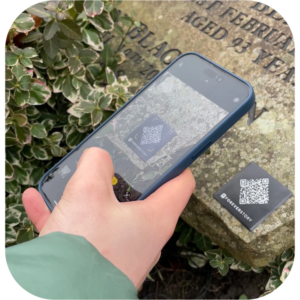
Wallasey Cemetery meets ForeverStory: QR Codes That Preserve Legacies
Discover Wallasey (Rake Lane) Cemetery: history, Titanic and war links, notable graves, visiting info, war memorials and tips for finding & honoring loved ones.
Have you ever wondered whose stories are etched into the stones of Wallasey (Rake Lane) Cemetery and how you can find and honor them?


Wallasey (Rake Lane) Cemetery — an overview
You’re looking at a large municipal cemetery with deep historical connections to maritime tragedy, wartime loss, and local life. Opened in 1883, Wallasey Cemetery (commonly known as Rake Lane Cemetery) holds hundreds of monuments, war graves, and a mix of Victorian and 20th‑century memorials that together tell many local and international stories.
Why this cemetery matters to you
If you’re researching family history, paying respects to those who served, or simply interested in local heritage, this cemetery is significant. You’ll find graves and memorials linked to the Titanic, Lusitania, Empress of Ireland, World War I and II casualties, and notable local figures.
Key facts at a glance
This table gives you the essential data so you can plan a visit, contact the council, or begin research.
| Item | Details |
|---|---|
| Name | Wallasey (Rake Lane) Cemetery |
| Opened | 1883 |
| Opening hours | Open 24 hours a day, 365 days a year |
| Address | Rake Lane, Wallasey CH45 5DE, United Kingdom |
| Council contact telephone | 0151 666 3001 (Mon–Fri, 10:00–12:00 and 14:00–16:00) |
| Council contact email | [email protected] (response may take up to 15 working days) |
| Chapel | There is no council chapel at Wallasey Cemetery; the former chapel is now The Church of St Elisabeth the New Martyr (Russian Orthodox) |
| Parking | Free parking available inside cemetery; park on the right-hand side of the main drive; park respectfully to aid traffic flow |
| War graves | 256 Commonwealth war graves (locations individually recorded by the Commonwealth War Graves Commission) |
| Special facilities | Cremated remains graves, burials in existing graves, special garden for burial of babies |
Opening times, contacts, and communication
You’ll appreciate that the cemetery grounds are accessible all day, every day. However, council staff are available on limited hours for enquiries and arrangements.
Opening hours and access
The grounds are open 24/7, year-round, so you can visit at times that suit you. If you plan to visit after dark, use caution and be respectful — paths and headstones can be uneven, and lighting is limited.
Council contact details and response times
You should contact cemetery staff by phone at 0151 666 3001 during the advertised hours (Monday to Friday, 10:00–12:00 and 14:00–16:00). For written enquiries, use [email protected]. Allow up to 15 working days for an email response, and note that funeral times are not published on the council website.
Practical tip
If you need information about a specific grave or to arrange an interment, call during the phone hours rather than emailing, since telephone staff can often answer quicker.
Services available
You’ll find several burial and memorial options at Wallasey Cemetery. The council provides a range of services suitable for different needs and budgets.
Types of burial and memorial options
- Cremated remains graves: Plots for the interment of ashes, often marked with small headstones or plaques.
- Burials in existing graves: If family graves already exist, the council allows burials into those plots subject to conditions and availability.
- Special garden for the burial of babies: A dedicated, respectful space designed to support families in arranging a compassionate resting place for infants.
What you should know before arranging a service
The cemetery does not have a council-run chapel on site for funeral services. You should liaise with funeral directors or the church used by the family for any service arrangements. The former chapel has been repurposed and is maintained separately (see “The Chapel” section).
Facilities and visitor guidance
Knowing what’s available and what to expect will make your visit smoother.
Parking and vehicle access
There’s free parking inside the cemetery. You should park on the right-hand side of the main drive as instructed, and leave room for other visitors and for traffic flow. Park respectfully—don’t block access to graves, gates, or pathways.
Chapel status
The cemetery is listed as having no council chapel. The former chapel building still exists but is now The Church of St Elisabeth the New Martyr, run by the Russian Orthodox Church. If you want to use the former chapel for worship or a service, contact the church directly; the council does not administer that space.
Accessibility
Paths in older cemeteries can be uneven. If you have mobility needs, consider bringing assistance or using a vehicle to drop off passengers near a particular plot. Contact the council beforehand if you expect to need specific access help during a burial or visit.
History of Wallasey Cemetery
You’ll find that the cemetery’s history reflects both local community life and global events. Opened in 1883, it grew during a period of rapid maritime and industrial activity in Liverpool Bay and contains memorials tied to some of the most tragic maritime disasters of the early 20th century.
Victorian origins and landscape
The cemetery was part of a broader Victorian movement to create municipal burial grounds outside dense urban centres. You’ll see headstone styles and monuments typical of the era alongside later memorials from the 20th century.
Maritime connections and disasters
Many monuments are linked to seafaring tragedies:
- Titanic: Memorials and graves mark the loss connected to the 1912 sinking.
- Lusitania: Burials and memorials commemorate those lost when the Lusitania was torpedoed in 1915.
- Empress of Ireland: The cemetery contains memorials tied to this 1914 disaster.
These connections reflect Wallasey and the wider Merseyside area’s close maritime ties.
Commonwealth war graves and remembrance
If you’re researching military ancestors or paying respects to war dead, you’ll find recorded graves here.
What is recorded here
The Commonwealth War Graves Commission (CWGC) records 256 war graves at Wallasey Cemetery with individual locations. You’ll be able to find details of names, service numbers, regiments, and grave locations via the CWGC website or by contacting the council for site maps.
How you can use CWGC records
- Search for individuals by name on the CWGC site.
- Use the grave locations provided to find a specific headstone in the cemetery.
- If you’re planning a remembrance visit, check CWGC guidance for laying wreaths or conducting ceremonies.
Notable features: The Anderson Vault and the former chapel
Two structural features stand out on the site: the Anderson Vault and the former chapel.
The Anderson Vault
The Anderson Vault is a granite building constructed over the Anderson family vault. It’s an impressive example of 19th-century funerary architecture and reflects the importance of family memorials during the cemetery’s early years. You’ll likely notice its solid stone construction and relative prominence among surrounding monuments.
The former chapel (The Church of St Elisabeth the New Martyr)
The chapel that once served funerals and services is no longer under council administration. It’s maintained by the Russian Orthodox Church and operates as The Church of St Elisabeth the New Martyr. If you wish to use this building for religious services, contact the church directly rather than the cemetery office.
Significant burials and memorials
You’ll encounter a range of individuals commemorated here — from seafarers and lighthouse keepers to wartime victims and local characters. Below are the key names and groups noted by Wirral Council.
Maritime casualties and ship-related memorials
- Captain William Turner: Noted as a former ship’s captain associated with the Lusitania era; his connection reflects the local seafaring tradition.
- Robert Leith: Recorded as a wireless operator of the Lusitania, remembered for his role on that vessel.
- Richard Firman Dodd: Listed as lost on HMS Laurentic in 1917; Laurentic was an armed merchant vessel that sank after striking mines during WWI.
- Memorial to George Charles Dodd: Commemorates a victim linked to the Titanic disaster.
- Captain Stanley Lord: Known as the captain of the SS Californian in 1912—the ship historically associated with the Titanic incident because of proximity and a failure to render assistance.
Local tragedies and disasters
- Seven members of the Liverpool pilot boat disaster of 1939: The cemetery holds memorials for these pilots who died in a local maritime accident.
- Victims of the Second World War blitz of Wallasey: Civilian graves recall those who perished during bombing raids.
- Chief Officer of the Athelviking: The chief officer who was lost when Athelviking was sunk by a German U-boat in 1945 is commemorated here.
Local figures and characters
- Frederick Kruger: Known locally as the “Wallasey hermit,” Kruger’s life and burial highlight the personal stories present in municipal cemeteries.
- John Thompson Francis: A New Brighton Lighthouse Keeper (1902) who is commemorated, reflecting the coastal life and maritime safety roles of the area.
How you should approach memorial research
When you locate a name of interest, it’s helpful to:
- Check burial registers or cemetery plans via the council.
- Search newspapers, shipping records, and local archives for fuller biographies.
- Use CWGC and maritime databases for seafaring-related fatalities.
Getting to Wallasey (Rake Lane) Cemetery
Planning how you’ll reach the cemetery ensures your visit is efficient and stress-free.
Public transport
- Nearest train station: New Brighton — from there you’ll need a short onward journey by foot, taxi, or bus.
- Bus: Bus numbers 410 and 433 stop near Wallasey Cemetery. Check current timetables via Merseytravel or local bus operators for up-to-date times and route changes.
By car
If you drive, use Rake Lane and follow signage for the cemetery. Enter the site and park on the right-hand side of the main drive, leaving space for other visitors.
Transport options table
| Mode | Details | Tips |
|---|---|---|
| Train | Nearest station: New Brighton | From the station, take a short taxi or check bus connections |
| Bus | Services 410, 433 stop nearby | Check Merseytravel for real-time schedules and any diversions |
| Car | Free parking on-site (right-hand side of main drive) | Park respectfully; vehicle access may be narrow in places |
| Taxi | Local taxis serve Wallasey and New Brighton | Pre-book during off-peak hours to avoid delays |
Finding a specific grave
You’ll often want to locate an individual grave precisely, whether for genealogy or to leave flowers.
Steps to locate a grave
- Contact the cemetery office with the full name and date of death; staff may provide a plot reference when available.
- Use CWGC records for war graves—these will often include plot/location references.
- Ask for a cemetery plan or map that shows numbered sections and paths.
- If staff cannot provide immediate information, go to the likely section and look for row/plot markers; wear sensible footwear and be prepared for uneven footing.
Practical advice on-site
- Take a printed map or a screenshot of any digital directions—phone signals can be patchy.
- Note nearby headstone inscriptions or monument landmarks to help you re-locate a grave.
- If a memorial has deteriorated, note its location and report concerns to the council for possible conservation.
Arranging burials and interments
If you’re planning a burial or cremation interment, you’ll need to work with the council and/or a funeral director.
How to start the process
- Contact cemetery staff by phone during the hours listed to discuss available plots, fees, and rules.
- Use a funeral director to coordinate paperwork, especially for burials involving interments in existing graves or for non-local families.
What paperwork you’ll need
- Certificate for burial from the registrar (or cremation certificate where applicable).
- Proof of entitlement for burial in an existing grave (deed or family right).
- Any necessary permissions for headstones, memorial types, and inscriptions — these may need council approval.
Timeframes and notices
- The council does not publish funeral times online; ask the office directly for any restrictions about arrival times, access, or limitations on attendees.
- Allow for administrative lead time, especially for arranging family plots, consecration, or religious services.
Genealogy and research tips
You’ll likely find Wallasey Cemetery useful for family history. Here’s how to make the most of it.
Start with civil and church records
Before visiting, search birth, marriage, and death registries and local parish records to confirm names, dates, and family relationships.
Use cemetery registers and maps
Contact Wirral Council’s cemetery office to request burial registers or plot references. These documents often list the date of burial and the grave reference.
Consult local archives and newspapers
Local libraries, history centres, and the Liverpool and Wirral archives hold newspapers, shipping records, and council minutes that can add context—especially for maritime fatalities or notable local stories.
Digital resources
- Commonwealth War Graves Commission (CWGC) website for war grave details.
- Online genealogical databases for census records, immigration, and trade manifests.
- Local history forums and community groups often share photos and transcriptions of headstones.
Preservation, etiquette, and photography
Cemeteries are places of memory. You should follow basic rules to respect the site and others.
Etiquette when visiting
- Be quiet and respectful, especially near active graves or during services.
- Do not walk directly on graves if paths exist—use the designated walkways where possible.
- Avoid placing objects that might damage monuments.
Photography and recording
You may photograph headstones for personal research. Be mindful of:
- Families present—ask permission before photographing other visitors.
- Conservation—avoid leaning on fragile memorials.
- Publication—if you intend to publish images, consider seeking permission where modern personal data is visible.
Reporting damage or wear
If you notice broken or hazardous headstones, report them to the cemetery office so they can assess safety and conservation needs.
Accessibility and special considerations
You’ll want to know how accessible the grounds are for people with specific needs.
Mobility and older visitors
The terrain includes older stone paths and grassed areas. If you or someone in your party has mobility challenges:
- Bring a companion to assist with uneven ground.
- Drive to a drop-off point near the grave if available.
- Contact the council in advance to discuss support.
Religious and cultural needs
If you require religious rites or specific burial practices, tell funeral directors and the cemetery staff early. The former chapel is used by the Russian Orthodox Church, but most services are organised externally to the council’s remit.
Frequently asked questions (FAQs)
You’ll often have similar questions when planning a visit or making arrangements. Here are concise answers to the most common queries.
Is the cemetery open to the public?
Yes — the grounds are open 24 hours a day, every day.
Can I park on site?
Yes — free parking is available within the cemetery on the right-hand side of the main drive.
How long will the council take to reply to an email?
Allow up to 15 working days for an email response.
Are funeral times published online?
No — the council does not publish funeral times on its website.
How many war graves are there?
The Commonwealth War Graves Commission lists 256 war graves in Wallasey Cemetery.
Is there a chapel for funeral services?
There is no council chapel. The former chapel is now a Russian Orthodox church (The Church of St Elisabeth the New Martyr) and is run independently.
Useful contacts and resources
Keep these details handy for practical planning and research.
- Wirral Council cemetery office telephone: 0151 666 3001 (Mon–Fri, 10:00–12:00 & 14:00–16:00)
- Email: [email protected] — allow up to 15 working days for responses
- Commonwealth War Graves Commission (CWGC): consult online for individual war grave records and locations
- Local transport: Merseytravel website for bus and train timetables (for buses 410 and 433, and New Brighton train station)
Practical visiting checklist
Before you come, use this checklist so you don’t forget anything important.
- Confirm the grave reference or location with council staff if possible.
- Bring printed directions or a map (mobile signal can be unreliable).
- Wear suitable footwear and clothing for uneven paths and weather.
- Bring water, a small brush for gently clearing a stone if appropriate, and flowers wrapped for easy placement.
- If attending a burial, coordinate arrival time with funeral directors or the council.

How you can support preservation
If you care about local heritage, consider these actions to help maintain the cemetery for future generations.
- Report any dangerous or deteriorating monuments to the council so they can assess repairs.
- Volunteer with local history or conservation groups that may carry out recording or tidy-up events.
- Donate to local heritage funds if conservation projects are organised in the area.
Final thoughts
You’ll find Wallasey (Rake Lane) Cemetery is far more than a place of rest; it is a historical record of maritime connections, wartime sacrifice, and the personal stories of Wallasey and its communities. Whether you’re visiting to remember an ancestor, to study a shipwreck, or to appreciate Victorian memorial design, the cemetery offers a poignant and informative experience. If you need specific details about a grave or want to arrange an interment, contact the cemetery office during the listed hours or use the provided email — and allow the staff time to respond.
If you’d like, you can tell me the name and any details you have about a person buried here, and I can suggest next steps for locating their grave or researching their story.

📅 Last updated: